- Cats
- Cat Behavior
How Do I Keep My Cat Off The Table?
BySassafras LowreyOct 17, 2023 7:17 pm EST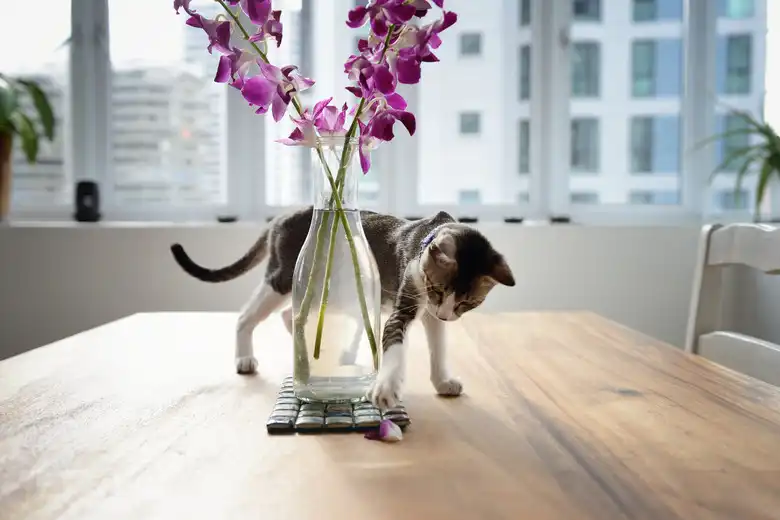
We may receive a commission on purchases made from links.
In This Article- Why do cats want to be on tables?
- What not to do
- Use positive reinforcement training techniques
- Make sure your cat's needs are met
- Teach alternative behaviors
- The bottom line
Does your cat like to jump onto your table? It's understandable to not want your cat walking around where you eat, and the good news is you can use positive reinforcement techniques to teach your cat the table is off-limits. To do this, we're going to reward cats for spending time where we want them to, instead of squirting or punishing them for getting onto the table or kitchen countertops.
Why do cats want to be on tables?
Why do cats want to be on tables?
Before we can prevent the behavior of our cats getting up onto the kitchen table, it's important to understand why cats want to be there in the first place. Cats aren't on the table to annoy you, getting on the table is a natural instinct for domestic cats who seek out chances to climb and get high!
Because there is often food on the table or counter, cats may have learned that "counter surfing" yields delicious treats. Cats are social creatures and may get onto the table because it's a place where you spend time. Cats also often jump up onto tables because of the table's height. Cats like to be high, and feel more secure when they can get up off the ground. Being on the table is often a central location in the house and allows cats to watch their surroundings, and get away from other pets.
More Like This
CatsThe Best Cat Nail Clippers in 2023
DogsHow to Find the Right Groomer For Your Dog's Needs
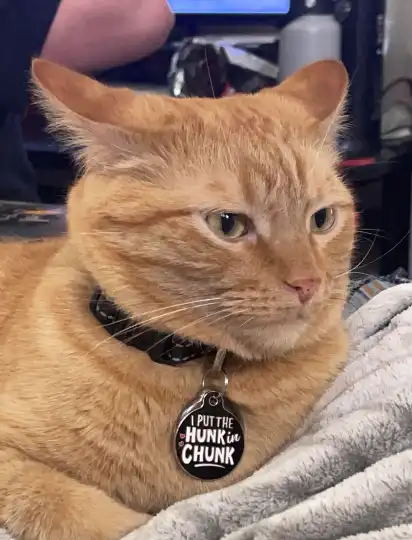
Cats15 Orange Cats Who Put the Hunk in Chunk

What not to do
What not to do
If your cat is jumping up on the table, you might have seen outdated ideas for how to "train" cats by making getting onto the table unpleasant. These aversive training methods don't teach your cat what you want them to do. Instead, they cause your cat pain, fear, or discomfort to force your cat not to do something you don't like. These aversive training methods include making booby traps of aluminum foil or double-sided tape on furniture to make getting onto the table upsetting, shaking a can of pennies to make loud noises to startle your cat, or using a spray bottle of water to punish your cat from getting on the table.
These old ideas of training rely on making your cat uncomfortable or afraid to try and stop a behavior. The problem is they don't teach your cat what behavior you want, and can harm the relationship you have with your cat.
Use positive reinforcement training techniques
Use positive reinforcement training techniques
The most effective way to teach your cat not to get onto the table is to use positive reinforcement training techniques. Positive reinforcement works for teaching your cats new tricks or skills, as well as behavior modification like keeping your cat off the table. Positive reinforcement teaches cats what we want them to do, instead of punishing behavior we don't like. Positive reinforcement approaches prioritize meeting your cat's physical and emotional needs and then using rewards to encourage your cat to do alternative behaviors like go to a different area of your home instead of onto the table like they usually would.
Make sure your cat’s needs are met
Make sure your cat's needs are met
Proactively making sure that your cat is getting all their physical and enrichment needs met is the best way to keep your cat from getting on your table. Many cats seek out getting on the tables because the height makes cats feel more secure and comfortable. Allowing cats to jump and climb gives cats the opportunity to view their environment which helps them to feel safer, and is great exercise.
Gaining height not only gives cat a vantage point to see what's going on in the house, it also allows cats to get away from dogs, children, or visitors in the home that your cat might find stressful.
To provide your cat with climbing enrichment opportunities. make or purchase secure scratching posts, climbable cat trees or cat towers with platforms, and hiding holes where your cat can relax and view their home. If you don't have space for a cat tree, you can also add stair-stepping cat shelves on your walls which your cat can jump between to gain height.
You can also add a bed in a windowsill to provide an out of the way high place for your cat to relax instead of on your dining room table.
Finally, make the table and counter unappealing to your cat by removing any food that might be enticing them to jump up.
Teach alternative behaviors
Teach alternative behaviors
If you don't want your cat to be on your tables, you'll want to teach an alternative behavior. Think about when your cat normally gets onto the table, likely when you are cooking or preparing food. Instead of having to constantly pick your cat up and take them off the table, you can teach your cat to go somewhere else while you are cooking!
To do this, we want to make the other location highly rewarding for our cats. When you are getting ready to cook or do other things that usually attract your cat to jump onto the table get your cat's attention with some cat food, treats, catnip, and/or cat toys and bring them to a cat tree, shelf, or other location you want your cat to go instead. If you are clicker training you can use a clicker along with praise and rewards for marking your cat going to the cat tower or other location you want your cat to be. Continue to reward your cat at this location while you're cooking or eating at the table.
After a few repetitions, your cat will begin offering to run to the new location when it's time for you to cook because your cat will know they get rewarded there. If your cat does jump on the table instead, get your cat's attention with treats and toys and redirect your cat to the location where you want them to be and reward your cat in that location.
The bottom line
The bottom line
It's very possible to teach your cat to stay off the table. The first step is to make sure your cat's physical and enrichment needs are being met with other safe and appropriate climbing opportunities. You'll then teach your cat an alternate behavior of going to a designated perch or location when they usually get onto the table. By rewarding your cat for spending time at this other location they will start going there instead of your table. Avoid punishments like squirt bottles or lining the table with tinfoil, as they will only confuse and stress out your cat and will not help with the behavior.